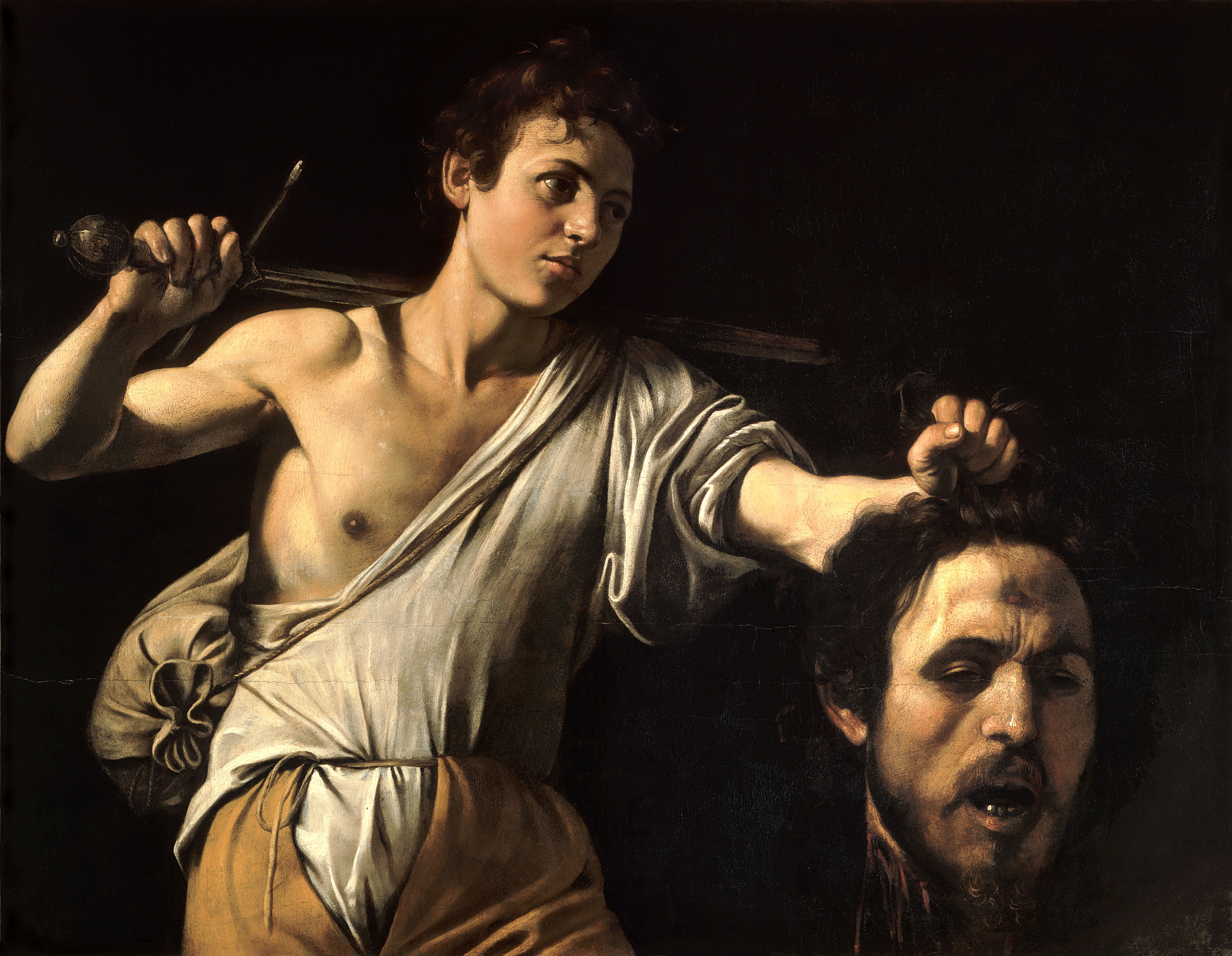
Caravaggio stands as one of the most influential figures of the Baroque period. His innovative approach to painting—using dramatic lighting, everyday models, and unidealized realism—revolutionized European art. This painting exemplifies his mature style, where technical virtuosity serves psychological and emotional depth.
The work demonstrates the Baroque fascination with dramatic moments and intense emotion. Unlike Renaissance paintings that emphasized beauty and idealization, Caravaggio presents raw human experience. The painting's dark mood and introspective quality reflect both Baroque spirituality and the artist's personal circumstances as a fugitive.
This painting influenced countless artists across Europe. Caravaggio's technique of using sharp light to illuminate figures against dark backgrounds became known as "tenebrism" and was adopted by painters from Naples to the Netherlands. His naturalistic approach challenged academic conventions and opened new possibilities for religious and secular painting.